Skin Cancer Info
Skin cancer is cancer that develops when abnormal skin cells grow out of control, usually as a result of damage to the DNA in skin cells. In Australia, the main cause is exposure to ultraviolet (UV) radiation from the sun, although tanning beds and some other factors can also contribute.
There are three main types:
Basal cell carcinoma (BCC) - the most common type. It usually grows slowly and rarely spreads to other parts of the body, but can cause significant local damage if left untreated.
Squamous cell carcinoma (SCC) - can grow more aggressively and, in some cases, spread to other parts of the body.
Melanoma – less common than BCC and SCC but potentially much more dangerous because it can spread to other organs if not detected and treated early.
How does skin cancer develop?
Think of your skin as taking a hit from UV radiation every time you're exposed to the sun. Over years, that damage can build up. Eventually, DNA damage can cause cells to behave abnormally and multiply uncontrollably.
You don't necessarily have to get sunburnt for damage to occur. Cumulative UV exposure over a lifetime matters, which is particularly important for people who spend a lot of time outdoors.
What can skin cancer look like?
It can appear as: A new mole or spot
A sore that doesn't heal
A spot that repeatedly bleeds or crusts
A growing lump
A scaly or rough patch
A mole that changes in size, shape or colour
A spot that looks noticeably different from the others around it
For melanoma, the ABCDE guide can be useful:
A - Asymmetry: one half doesn't match the other
B - Border: irregular or poorly defined edges
C - Colour: uneven or multiple colours
D - Diameter: larger spots can be more concerning
E - Evolving: changing in size, shape, colour or appearance
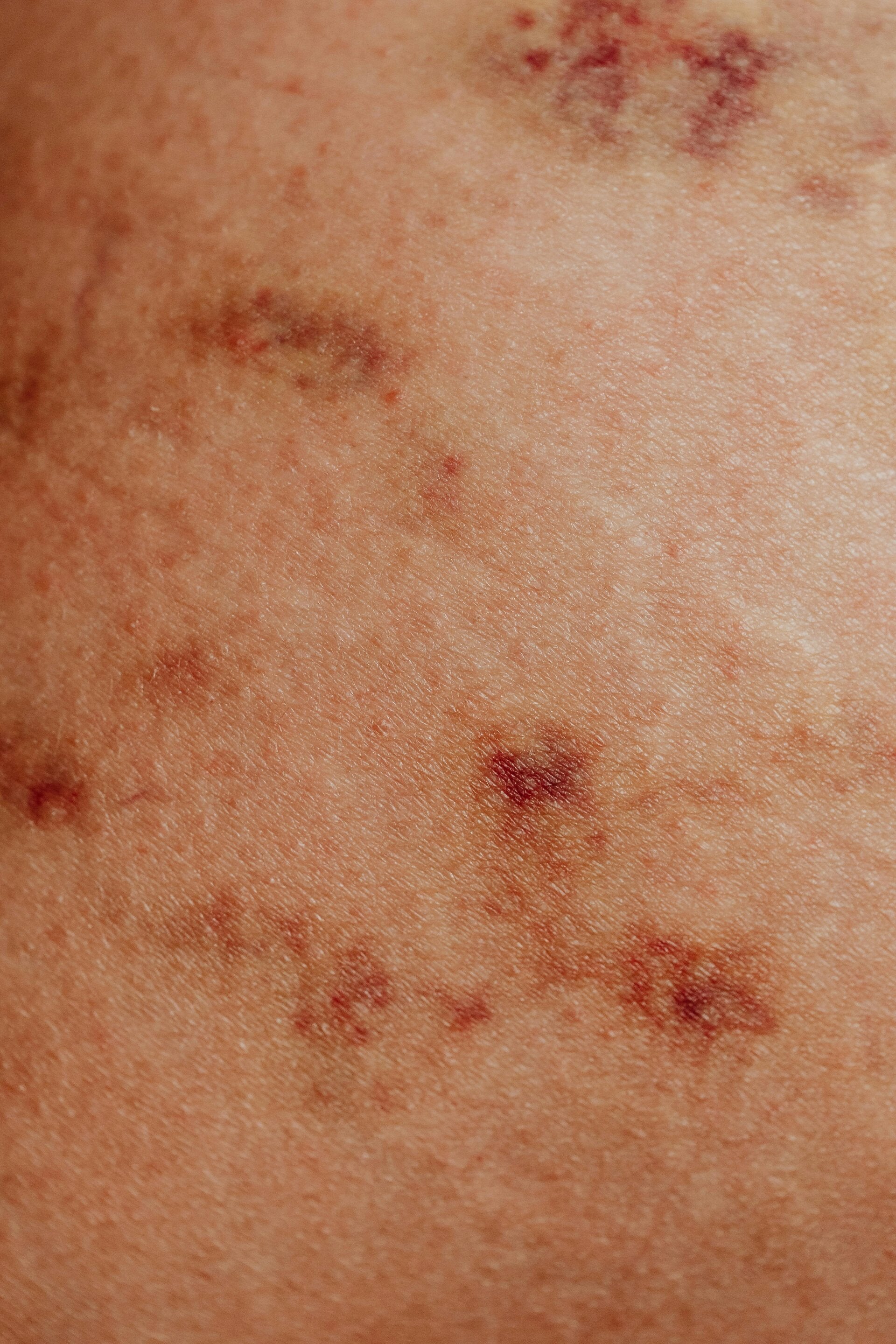
Importantly, skin cancers don't always follow these rules, so a changing or unusual spot is worth getting checked by a doctor.
Common skin cancer types
Basal Cell Carcinoma (BCC)
Basal cell carcinoma is the most common type of skin cancer. It develops in the basal cells, which are found in the lower layer of the outer skin.
BCC is usually slow-growing and is unlikely to spread to other parts of the body. However, that doesn't mean it should be ignored. If left untreated, it can grow deeper into surrounding tissue and cause significant local damage.
What can BCC look like? A pearly, shiny or flesh coloured lump
A sore that doesn't heal
A spot that repeatedly bleeds, crusts or scabs
A red, scaly or irritated patch
A lesion that looks like a small scar but has no obvious injury
A growth that gradually gets bigger.
BCC commonly develops on areas that receive a lot of sun, such as the face, ears, scalp, neck and arms, although it can occur anywhere on the body.
If a spot doesn't heal, keeps bleeding, crusting, changes or continues to grow, get it checked by a doctor. Early detection generally means treatment is simpler.
BCC is highly treatable, but leaving it alone can allow it to become a much bigger problem.
Squamous Cell Carcinoma (SCC)
Squamous cell carcinoma (SCC) is the second most common type of skin cancer. It develops in squamous cells, which make up much of the outer layer of the skin.
Unlike basal cell carcinoma, SCC can sometimes spread to other parts of the body, particularly when it is left untreated or is more aggressive. Early detection and treatment are therefore important.
What can SCC look like? A rough, scaly or crusty patch
A firm, red lump
A sore or ulcer that doesn't heal
A growth that repeatedly bleeds or develops a crust
A wart-like growth
A spot that becomes tender or painful
A lesion that continues to grow or change
It can develop on areas that receive significant UV exposure, including the face, ears, scalp, neck, hands and arms, although SCC can occur elsewhere.
The biggest risk factor is long-term exposure to ultraviolet (UV) radiation. Repeated sun exposure and sunburn can damage the DNA in skin cells over time.
SCC is generally very treatable when detected early. However, an untreated SCC can grow deeper into surrounding tissue and, in some cases, spread elsewhere in the body.
Melanoma
It is less common than basal cell carcinoma and squamous cell carcinoma, but melanoma can be much more serious because it can spread to other parts of the body if it isn't detected and treated early.
Melanoma can develop in an existing mole, but it can also appear as a new spot on otherwise normal looking skin.
Look out for a spot that: Changes in size, shape or colour
Has an irregular or uneven border
Contains several different colours
Looks noticeably different from your other moles
Continues to change over time
Bleeds, crusts or becomes itchy or painful.
Why do Australians need to take melanoma seriously?
Australia has very high levels of UV exposure, and UV radiation is a major risk factor for melanoma.
Years of sun exposure and episodes of sunburn can contribute to skin damage. That makes regular skin checks particularly important.
Don't wait for it to become obvious - Melanoma can be difficult to identify just by looking at it yourself. If you notice a new, unusual or changing spot, have it checked by a doctor or skin cancer professional.